
Roof Inspection Northern Colorado, CO
Professional roof inspection in Northern Colorado for residential and commercial properties.
Local Roof Inspection Expertise
In Northern Colorado, roof inspection catches hidden damage before storms turn minor issues into major repairs. Whether you've seen hail, wind, or just want to know your roof's real condition, a professional inspection reveals what you can't spot from below.
How Roof Inspection Works
We check every surface, document findings, and explain what we see so you can make confident next-step decisions.
Visual Assessment
We examine shingles, flashing, gutters, and vents for visible damage from hail, wind, or age-related wear.
Detailed Documentation
Photos and notes capture every damaged area, making it easy to support insurance claims or explain repair needs.
Clear Recommendations
We explain whether repairs, monitoring, or replacement makes sense—no pressure, just straight answers.
You'll always know what's happening next—and when.
Spot Storm Damage Fast
Hail damage often includes dark spots or bruising on shingles, granule loss, soft spots, and dents on vents or gutters—but a roof can look fine from below and still harbor damage that leads to leaks later. In Northern Colorado, where hail is common, visible signs appear on gutters, AC units, or window casings before you spot roof damage.
After a storm, check ground-level surfaces first. Small dents around windows or on siding are a good indicator that roof hail damage is likely, and metal surfaces like roof fascia are always worth inspecting. If neighboring properties show impact marks, your roof probably does too.
Don't climb on your roof or try to patch damage yourself. A professional gets you safe, thorough answers and protects your insurance eligibility.
Hail Damage Inspection in Northern Colorado
Asphalt shingles are the most common roofing material in Northern Colorado, and while durable, hail impacts can loosen protective granules and fracture the internal fiberglass mat. Metal and tile roofs react differently—metal roofing often withstands hail better than asphalt but large hailstones can still dent panels and compromise protective coatings.
Hail can compromise shingles, flashing, and underlayment even when damage is not visible from the ground. We pull back shingles, check seams, examine vents, and look for bruising that won't show until water finds its way inside. Your roof's age and material type both matter.
Pre-Purchase and Preventive Inspections
Buying a home in Northern Colorado? A pre-purchase roof inspection protects your investment by revealing hidden problems before closing. Preventive inspections after heavy snow, hail season, or annually catch small issues before they lead to interior damage.
Northern Colorado experiences high-altitude weather patterns including heavy snowfall, intense UV exposure, and sporadic hailstorms, all of which weaken roofs over time. Regular check-ups extend your roof's life and catch moisture, deterioration, and ventilation issues early.
What Gets Inspected
A complete roof inspection covers every part of your system and leaves no detail missed.
Shingles & Surface
Damage patterns, granule loss, cracks, missing sections, and deterioration from weather or age.
Flashing & Seams
Gaps, separation, corrosion, or failed sealant around chimneys, vents, valleys, and edges.
Gutters & Vents
Debris buildup, damage, sagging, loose fasteners, and proper water drainage.
Attic & Interior
Water stains, moisture, mold, ventilation adequacy, and structural soundness from inside.
Roof Age & Materials
Overall lifespan estimate and material condition to guide future planning.
Insurance Documentation
Detailed photos, measurements, and findings formatted to support claim filing and negotiations.
Why It Matters
Early detection prevents expensive repairs and protects your home's value.
Catch Leaks Before Interior Damage Starts
Hail, high winds, and sudden weather shifts can weaken shingles, expose underlayment, and create hidden issues that worsen over time—many homeowners don't realize damage has occurred until leaks appear inside, at which point roof repairs are more expensive and insurance claims become more complicated.
Water inside your home leads to structural rot, mold, and damage far beyond the roof itself. A professional inspection costs far less than fixing interior water damage, and documentation supports your insurance claim so repair costs come from your policy, not your pocket.
Insurance Claims Made Simpler
Filing a claim after hail or wind damage can feel overwhelming. Professional inspection reports document exactly what happened, where, and why—information adjusters need to approve your claim fairly.
In Colorado, most insurance policies give homeowners up to one year from the date of the storm to file a claim, but acting sooner rather than later helps prove the damage came from a specific storm, and minor issues don't turn into bigger, more expensive problems.
Extend Your Roof's Life in Northern Colorado's Climate
After heavy spring snowmelt, shingles can be lifted or granules washed off—catching this early prevents interior leaks later in the year. Regular inspections help your roof survive Northern Colorado's freeze-thaw cycles and intense sun exposure.
Small fixes now avoid emergency repairs later. Preventive maintenance costs far less than emergency tear-offs, especially in emergency seasons when contractors are overbooked.
Serving Northern Colorado
We understand the storms and building styles that define your area.
Local Knowledge of Hail, Wind & Weather
Northern Colorado hailstorms are powerful and localized. Our team knows where damage typically appears first, what to look for on different roof types, and how to document findings that satisfy insurance companies familiar with local patterns.
We've inspected roofs across Loveland, Fort Collins, Greeley, and surrounding areas after spring hail, summer storms, and winter snow events. We see the same damage patterns adjusters see and know how to present findings clearly.
We serve residential and commercial properties across Northern Colorado—homeowners, landlords, property managers, and real estate professionals all rely on our thorough, unbiased assessments.
Frequently Asked Questions
Common questions about roof inspection in Northern Colorado.
When should I get a roof inspection?
Schedule an inspection after any hail or wind event, annually for preventive maintenance, before buying a home, or if you notice visible damage, leaks, or missing shingles.
How do I know if a hailstorm damaged my roof?
Common signs include dark spots or bruising on shingles, granule loss, soft spots, and dents on vents or gutters. Check gutters for granules and nearby properties for impact marks, then call for a professional inspection.
Can I inspect my roof myself?
Avoid climbing on your roof—it's unsafe and easy to miss hidden damage. Professional inspectors access safely, recognize subtle issues, and provide documentation your insurance company accepts.
Will an inspection help my insurance claim?
Yes. Professional reports with photos and detailed findings document damage clearly, support your claim, and often lead to fair settlement amounts that cover repairs.
What if I don't see obvious damage?
A roof can look fine from below but still have damage that leads to leaks later. Hidden damage under flashing, in valleys, or under shingles requires professional assessment—waiting lets small problems become expensive repairs.
DISCOVER WHAT OUR CUSTOMERS HAVE TO SAY ABOUT US
REVIEWS
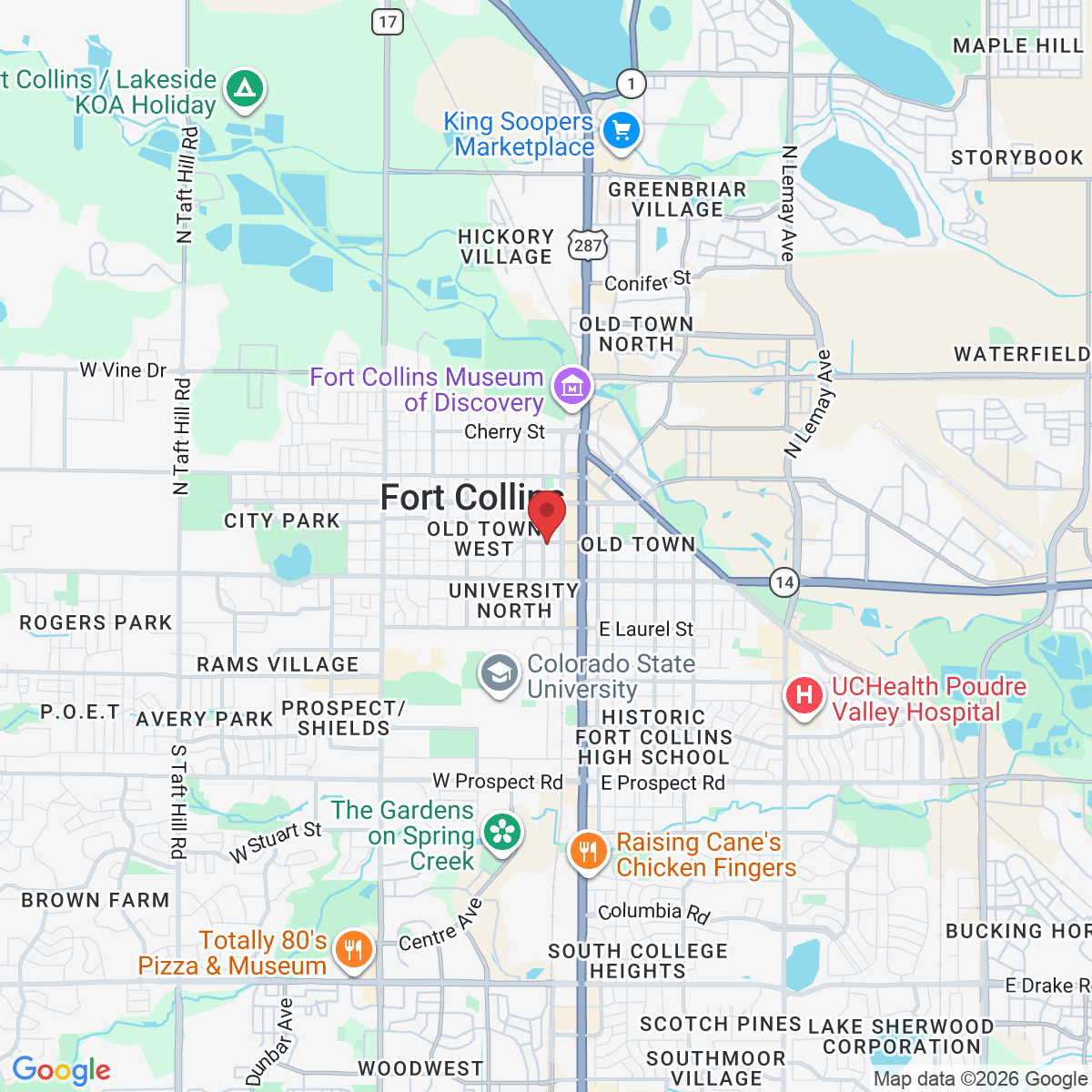
proudly serving these areas
Northern Colorado, CO
Fort Collins, CO
Loveland, CO
Greeley, CO
Boulder, CO
Longmont, CO
Windsor, CO
Johnstown, CO
READY TO take the next step?
get a free quote TODAY!
QUICK LINKS
our services
service areas
operating HOURS
Mon: 9:00 am - 5:00 pm
Tue: 9:00 am - 5:00 pm
Wed: 9:00 am - 5:00 pm
Thu: 9:00 am - 5:00 pm
Fri: 9:00 am - 5:00 pm
Sat: Closed - Closed
Sun: Closed - Closed