Roofing & Restoration in Longmont, CO
Local Roofing Contractor Expertise
In the East Side Historic District and throughout Longmont, CO, a roofing contractor addresses hail damage, wind exposure, and permit-specific rules unique to this Front Range area. Storm damage strikes fast here—Longmont's exposure to severe weather means your roof must meet 110 mph wind standards and handle impact-resistant demands. Whether your home sits in a post-Victorian cottage on Collyer Street or a modern build in North Longmont, our fire damage restoration service and residential roofing expertise keeps your structure safe and code-compliant.
How We Work
From assessment to final inspection, we follow a clear process built for Longmont homes and businesses.
Our Process
Every roofing project starts with a site inspection. We assess damage scope, check Longmont building codes, and review what permits you'll need. If fire or hail hit, insurance coordination happens early so claims move forward smoothly.
Inspect & Document
We photograph roof condition, identify damage patterns, and note any fire exposure or hail marks. This baseline report helps with insurance claims and guides material selection.
Permit & Plan
Longmont's 110 mph wind code and '1 square' rule shape our approach. We pull permits, confirm material specs, and outline the work schedule with you.
Tear-Off & Prep
Old layers come down safely. We inspect sheathing, replace damaged boards, and verify proper ventilation for Longmont's cold climate. Drip edge and underlayment go in per code.
Install New Roof
Impact-resistant shingles rated for wind and hail go down in layers. Flashing, valleys, and penetrations receive extra sealing. Each section is checked for proper nail spacing and coverage.
Final Inspection
City of Longmont building inspector approves the work. We walk the roof with you, explain warranty details, and ensure gutters and cleanup are complete.
Ongoing Support
We answer post-job questions, monitor performance through Colorado's demanding seasons, and stand behind our work with full workmanship coverage.
You'll always know what's happening next—and when.
Our Services
Residential and commercial roofing, plus fire damage restoration for Longmont properties.
Residential Roofing
From historic East Side homes built with 19th-century charm to newer builds in North Longmont, we install impact-resistant asphalt shingles, metal roofing, and specialty materials. Hail damage and wind-driven rain demand materials certified for 110 mph winds. Historic districts need materials that honor original architecture while meeting modern codes.
We handle roof repairs under 100 square feet without full replacement and manage the '1 square' rule for larger damage. Ventilation systems are optimized for Longmont's climate.
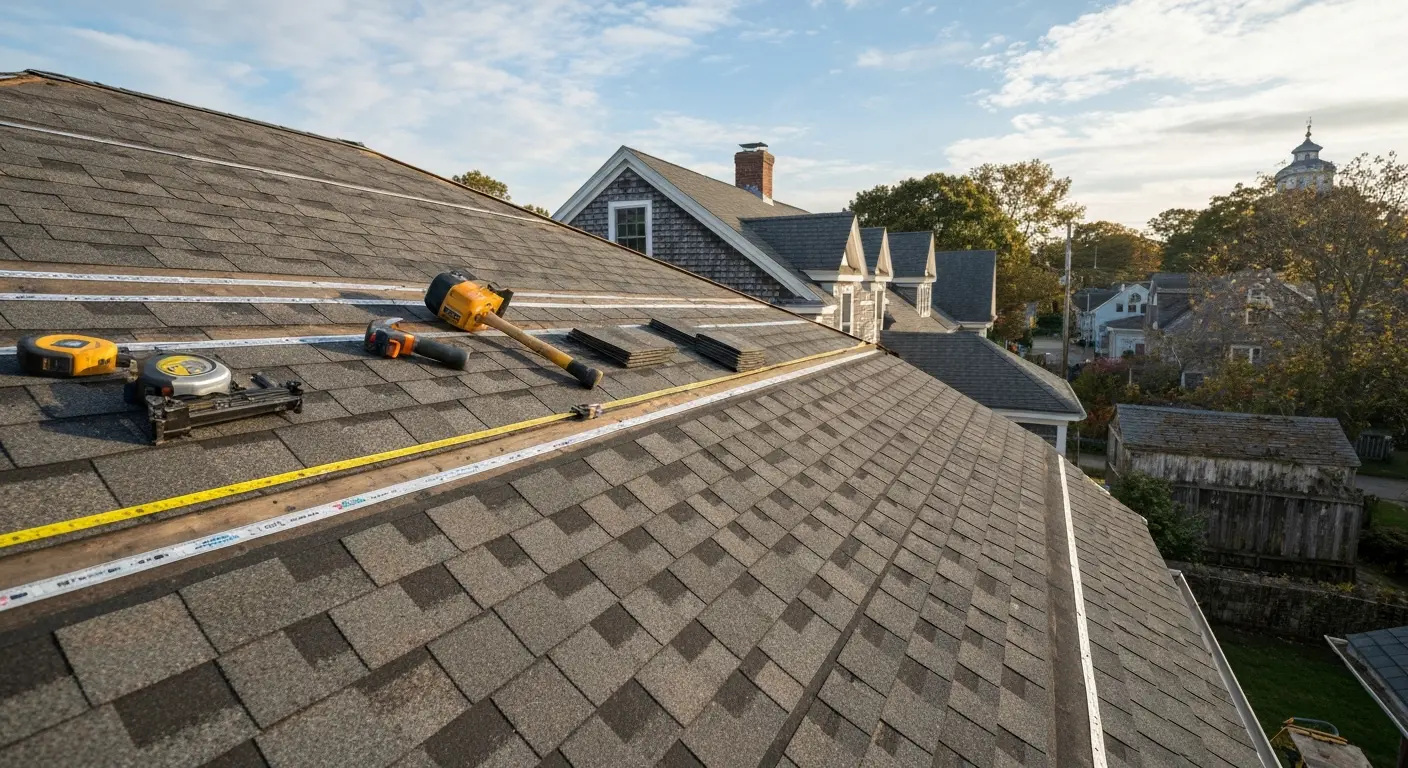
New asphalt shingle installation on Collyer Street residence in East Side Historic District
Commercial Roofing
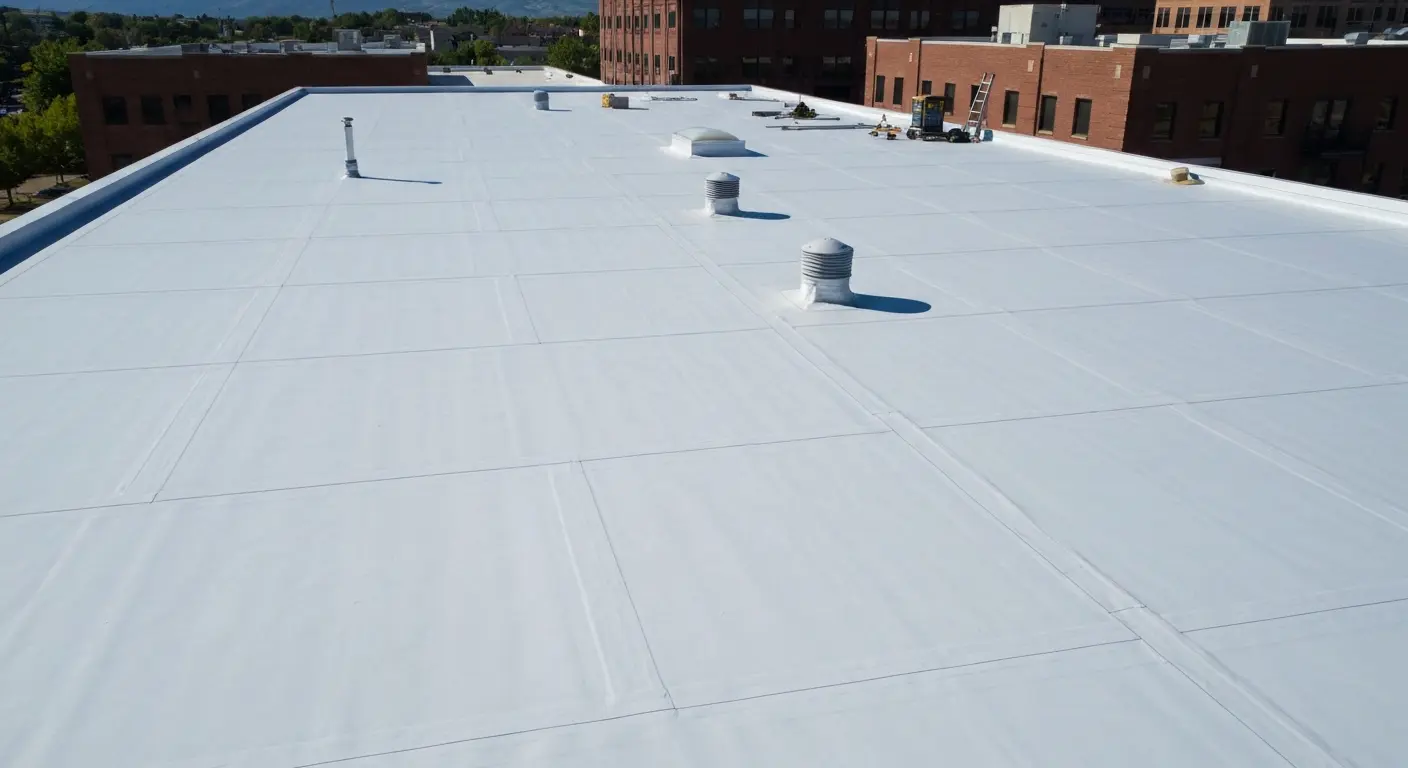
TPO membrane roof system installed on downtown Longmont office building
Longmont's business parks and downtown properties rely on flat roof systems: TPO, EPDM, modified bitumen, and built-up roofing. We design systems with proper drainage to prevent ponding, install insulation per IBC R-30 minimums, and ensure Class D-2 licensed crews handle the work. Metal roofing is also available for agricultural and industrial clients.
Maintenance agreements keep roofs performing year-round.
Fire Damage Restoration Service
When fire or embers compromise your roof, we assess structural damage, remove compromised materials, and rebuild sections safely. Insurance coordination ensures documentation is complete. We source materials matching your original roof and coordinate with other restoration contractors working on your home.
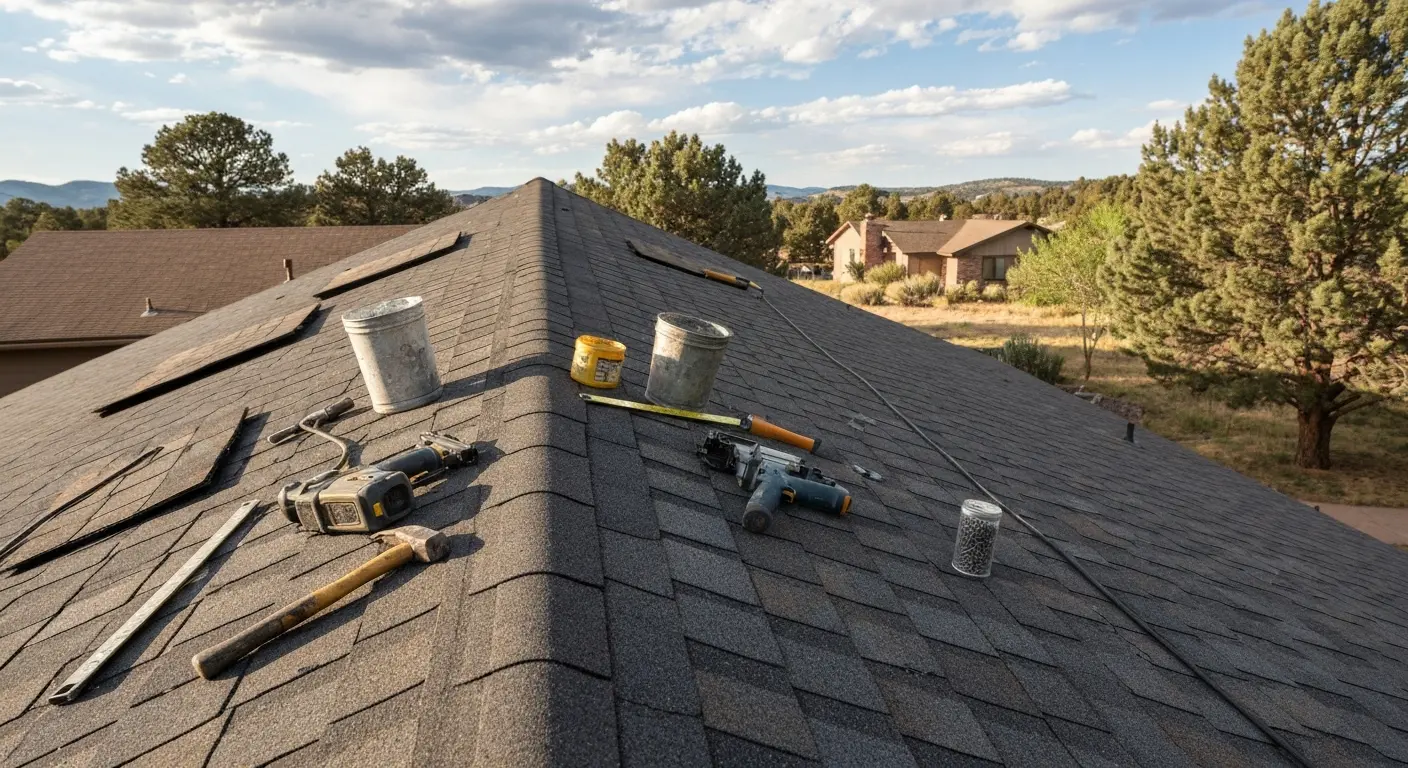
Partial roof restoration following fire damage in West Longmont neighborhood
Hail Damage & Storm Repair
Longmont's exposure to hail means impact-resistant materials are essential. We file insurance claims, photograph damage, and repair or replace affected shingles, flashing, and underlying layers. Same service applies to wind damage and hail-driven water intrusion.
Why Local Expertise Matters
Roofing in Longmont is not one-size-fits-all. Storm frequency, code strictness, and neighborhood character all shape the right choice.
Severe Weather Is Common Here
Hail strikes the Longmont area frequently—large stones cause immediate damage and long-term weakening. Wind gusts routinely test roof fasteners. These conditions demand materials and installation techniques that exceed standard minimums.
Impact-resistant shingles, high wind warranties, and professional installation save you insurance claims and future repairs. We size flashing, secure edges, and verify every component meets Longmont's 110 mph standard.
Building Codes Are Strict Here
Longmont's '1 square' rule means if you repair more than 100 square feet, the entire roof typically must be replaced. Permits are required, and city inspectors verify code compliance. We navigate these rules so you don't face delays or failed inspections.
Ventilation and underlayment standards are strict. We ensure ice dams don't form and condensation doesn't accumulate—critical for Front Range winters.
Historic District Sensitivity
East Side and West Side homes often require materials and colors that match original styles while meeting modern durability standards. Wood shingles, slate, and copper are available alongside synthetic alternatives that preserve authenticity and improve performance in storms.
Serving Longmont & Surrounding Areas
We work throughout Longmont's neighborhoods, from downtown to the suburbs.
East Side Historic District
Queen Anne and Victorian homes built in the 1870s–1890s define this area's character. Protecting original architecture while upgrading roof performance is our specialty. We source period-appropriate materials and coordinate with historic preservation guidelines.
West Side Historic District
Edwardian and Craftsman homes on larger lots need roofs that handle extra snow loads and provide energy efficiency upgrades. Modern synthetic slate and architectural shingles blend style with durability.
North, Central & South Longmont
Newer subdivisions and family neighborhoods benefit from impact-resistant shingles and energy-efficient designs. We work with HOAs on roofing approvals when needed and coordinate material selections with neighborhood guidelines.
What to Know Before You Call
Preparing your home for a roofing project saves time and ensures smooth work.
Insurance & Claims
If hail, fire, or wind damaged your roof, contact your insurance company first. We coordinate claim documentation, submit photos and estimates, and work directly with adjusters. This process protects your coverage and speeds approval.
Permit Requirements
All roof work in Longmont requires a building permit. We pull permits on your behalf and schedule city inspections. No permit means failed inspections and liability issues later. We handle this completely.
Material Selection
Ask us about impact ratings, wind warranties, and energy efficiency. Three-tab shingles won't meet Longmont code. Laminated and architectural options provide storm resistance and curb appeal.
Frequently Asked Questions
What does Longmont's '1 square' rule mean for my roof?
If damage exceeds 100 square feet, the entire roof typically must be replaced rather than just the damaged section. This rule limits layering and protects long-term roof integrity in Colorado's climate. We explain the impact on your project upfront.
Why do all Longmont roofs need 110 mph wind warranties?
Longmont's location on the Front Range exposes roofs to frequent high-wind events and hail storms. City code enforces this standard to prevent premature failure and ensure homeowner safety. Standard 3-tab shingles won't qualify.
Can I repair my roof in the East Side Historic District without special materials?
Historic district guidelines encourage materials that match original character. Modern synthetic slate, wood-look shingles, and copper-standing seam roofs are available and code-compliant. We coordinate with local historic preservation staff.
Will my insurance cover hail damage repairs?
Most homeowners policies cover hail damage above the deductible. We document damage with photos and detailed estimates, then submit to your insurer. We work directly with adjusters and answer claim questions throughout the process.
What happens if my roof fails inspection in Longmont?
City inspectors verify compliance with wind ratings, underlayment, ventilation, and flashing details. If we miss a requirement, we correct it immediately at no extra cost. Our track record shows first-pass approvals on nearly all projects.
Do you handle fire damage roof restoration in Longmont?
Yes, we assess fire and ember damage, remove compromised sections, rebuild with code-compliant materials, and coordinate with insurance adjusters. We match existing roof styles and ensure structural integrity after restoration.
DISCOVER WHAT OUR CUSTOMERS HAVE TO SAY ABOUT US
REVIEWS
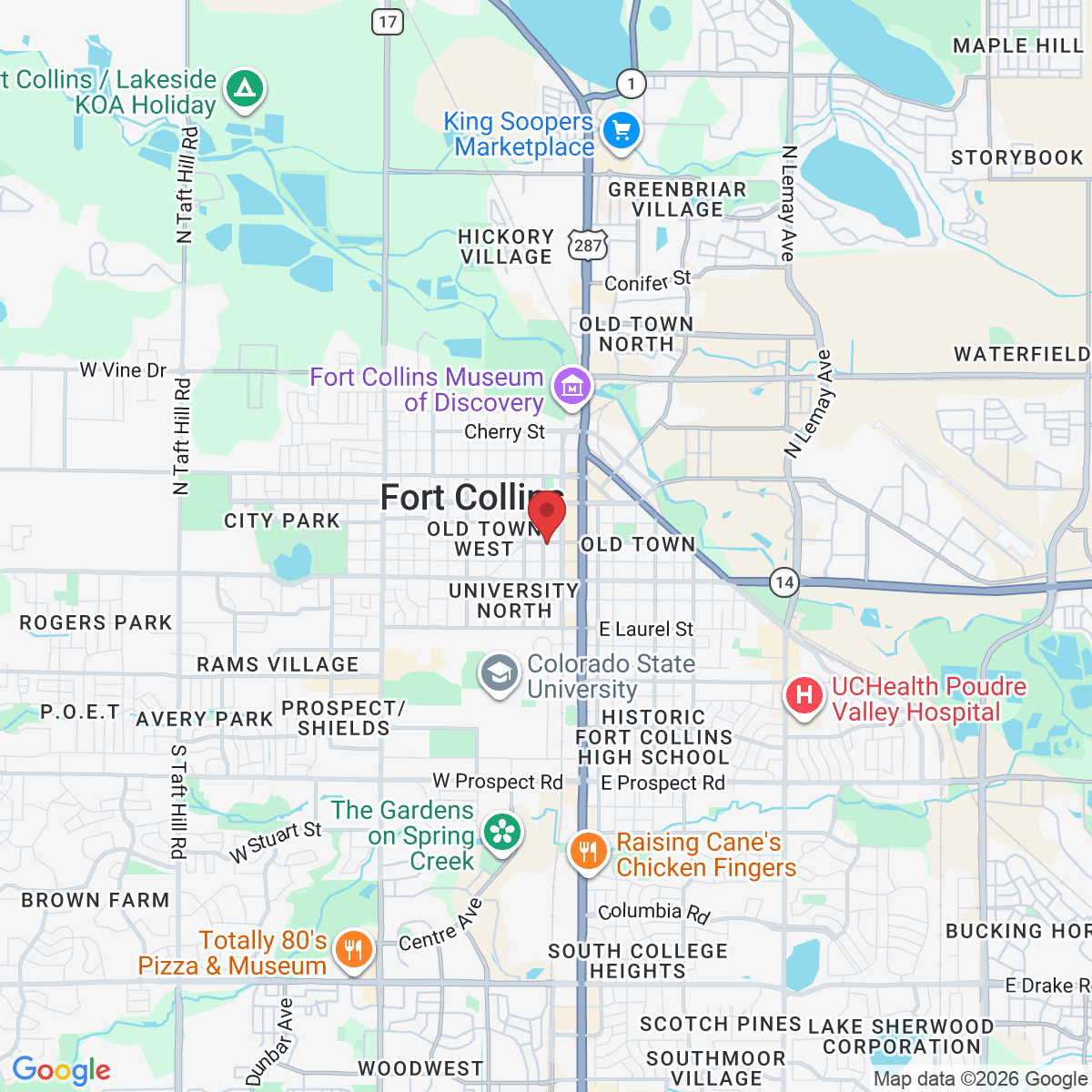
proudly serving these areas
Northern Colorado, CO
Fort Collins, CO
Loveland, CO
Greeley, CO
Boulder, CO
Longmont, CO
Windsor, CO
Johnstown, CO
READY TO take the next step?
get a free quote TODAY!
QUICK LINKS
our services
service areas
operating HOURS
Mon: 9:00 am - 5:00 pm
Tue: 9:00 am - 5:00 pm
Wed: 9:00 am - 5:00 pm
Thu: 9:00 am - 5:00 pm
Fri: 9:00 am - 5:00 pm
Sat: Closed - Closed
Sun: Closed - Closed